Locations:





Skin cancer can sometimes itch, but it’s not usually the most common symptom — a persistent itch still warrants a visit to a healthcare provider
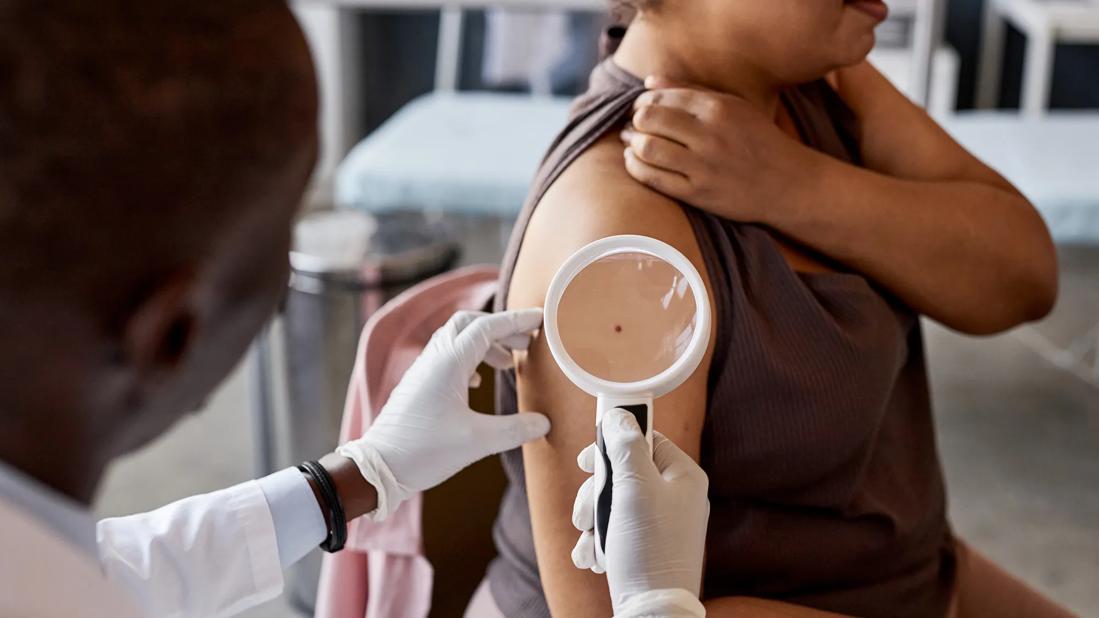
Image content: This image is available to view online.
View image online (https://assets.clevelandclinic.org/transform/18c8fa8f-09f6-4437-aeb2-b427af185ccb/doctor-examines-skin-mole-2186297525)
Healthcare provider examining a mole with a magnifying glass on a patient
An itchy spot on your skin usually isn’t cause for alarm. Dry skin, bug bites and irritation are the most likely causes.
Advertisement
Cleveland Clinic is a non-profit academic medical center. Advertising on our site helps support our mission. We do not endorse non-Cleveland Clinic products or services. Policy
But there are times when skin cancer can cause itchiness.
“Most itchy moles or patches of skin aren’t cancerous,” says oncologist James Isaacs, MD. “But if itching comes with other skin changes — like bleeding, crusting or a changing mole — it’s worth getting checked out.
Dr. Isaacs explains when itchy skin may be related to skin cancer and what other symptoms to watch for.
Yes, skin cancer can sometimes itch.
Cancer causes inflammation, and inflammation attracts immune cells. Immune cells release substances that can irritate nearby nerves and skin tissue — and irritation can make you itchy.
“All skin cancers can have an itchy component because of that inflammatory component,” Dr. Isaacs confirms.
But itchiness alone usually isn’t necessarily a red flag that points to skin cancer. And it’s not among the most common symptoms.
When it comes to skin cancer, itching is usually just one part of a bigger picture.
“If an itchy spot is related to skin cancer, you’ll likely notice other changes in your skin, too,” Dr. Isaacs says.
Warning signs may include:
Advertisement
Different types of skin cancer come with different symptoms. And some kinds of skin cancer are more likely to cause itching than others. Dr. Isaacs explains the differences.
Melanoma is the most invasive and dangerous form of skin cancer — and it’s less likely to itch than some other types.
Healthcare providers often use the “ABCDE” rule for identifying skin changes and moles that could point to melanoma:
Squamous cell carcinoma causes cancerous lumps, bumps or lesions, which can be itchy. They may also be:
Basal cell carcinoma is the most common kind of skin cancer, and it can itch or become irritated over time.
“Basal cell carcinoma typically looks like a small, sometimes shiny bump or scaly flat patch on your skin, Dr. Isaacs notes. “These spots can look very fleshy or red.”
You may notice:
Again, most itchy skin is not skin cancer. But you should see a healthcare provider if an itchy area:
And while scratching may temporarily relieve itching, repeatedly picking at a spot can make irritation worse. It can also make skin changes harder for your provider to evaluate.
“The more you scratch, the harder it can become to figure out what’s going on,” Dr. Isaacs says. “Is it really the itching that’s causing you to scratch, or did the act of scratching make it more irritated?”
An itchy area is likely your body trying to tell you something. Whether it’s sounding the alarm for skin cancer isn’t guaranteed — or even likely. But it’s still worth listening to.
Advertisement

Sign up for our Health Essentials emails for expert guidance on nutrition, fitness, sleep, skin care and more.
Learn more about our editorial process.
Advertisement

Persistent itching is usually caused by something harmless — but in some cases, it can point to certain cancers

Dry air, harsh soaps and even some medications can bring on an itch, but in some cases, itchiness can be a sign of an underlying condition
Tips and tricks to soothe the itch

Sunlight helps your body produce vitamin D, but be mindful of your sun exposure

The size, shape and color of moles may offer clues that point to melanoma
Scalp cancers can occur because of long-term sun exposure

Dry skin, eczema, allergies and infections can all cause itchiness — but in some cases, itching may signify a more serious health condition

Wear sun-protective clothing, apply sunscreen every day and avoid tanning to help reduce your risk

Hormonal changes, a slower metabolism and muscle loss can make weight gain more common around menopause — healthy habits can help you manage it

Life-threatening complications include sepsis, stroke, pneumonia and more

Fruity-smelling breath can happen when your body burns fat for energy, and in some cases, can signal a medical emergency
 Search










